




From 2027, Directive (EU) 2020/2184 (DWD) imposes new hygiene and documentation requirements for materials in contact with drinking water.
Manufacturers must ensure their products comply with European positive lists and that documentation is accessible for at least 10 years.
It will be crucial to have a system for managing, updating, and securely sharing technical documents, certifications, and declarations of conformity.
Non-compliance can lead to market blockages and penalties.
From 2027, the regulatory landscape for manufacturers of materials and objects intended to come into contact with drinking water (FCM) will change radically across Europe. Directive (EU) 2020/2184, better known as the Recast Drinking Water Directive (DWD), transposed in Italy by Legislative Decree 18/2023, is not a simple update. It introduces stringent requirements that directly impact document management and product compliance.
It's not just about ensuring the hygienic safety of materials, but also about unequivocally demonstrating it through precise and constantly updated documentation. Many focus on laboratory tests or formulations, but the real turning point will be the ability to manage the documentary archive for a decade, making it accessible and traceable. This article is aimed at manufacturers to clarify what this change means in daily practice.
What are the new requirements for materials in contact with drinking water?
Article 11 of the DWD establishes minimum hygiene requirements for materials that come into contact with drinking water. The objective is to prevent the deterioration of water quality due to substances released from the materials themselves. This includes pipes, valves, taps, tanks, and any other component used in water networks and domestic systems.
From December 31, 2026, materials and products must comply with specifications listed in implementing acts of the European Commission. These acts will define:
European positive lists: Containing authorized starting substances, their specifications, and conditions of use. This is crucial for manufacturers, as they will have to ensure that their product components are made only from approved materials.
Testing and acceptance methods: Standardized for evaluating the reaction of materials in contact with water.
Labeling requirements: To indicate product conformity.
A marking mechanism: To certify product conformity.
This means that the certification of a component will no longer be sufficient if it is not based on these harmonized European lists and methods. For a manufacturer, this translates into the need to review their supply chains and production processes, ensuring that each component is traceable and compliant with the new standards.
Why does documentation become central from 2027?
The DWD is not limited to establishing what can or cannot be used; it also dictates how this conformity must be demonstrated. From 2027, documentation relating to materials and products in contact with drinking water must meet rigorous criteria. Article 11, paragraph 5, of Legislative Decree 18/2023 for transposition, emphasizes the obligation to retain relevant documentation. The Commission is also developing further implementing decisions that will define the precise methods for demonstrating conformity.
For a manufacturer of taps or valves, it will no longer be enough to have a paper file in the company. It will be necessary to:
Trace the origin: Every component, from metal alloy to elastomer gasket, must have documentation proving its conformity to the positive lists. This includes supplier technical data sheets, analysis certificates, and declarations of conformity.
Manage versions: If a material or production process is modified, the documentation must reflect the update. Obsolete versions must be archived but not deleted, ensuring a complete and verifiable history.
Ensure accessibility: Competent authorities (e.g., health authorities, control bodies) must be able to access this documentation quickly and without obstacles, even for extended periods (typically 10 years).
Protect integrity: Documentation must be protected from unauthorized alterations or losses, maintaining its integrity over time.
Imagine an inspection of a valve produced in 2028: you must be able to present complete documentation for all materials used within minutes, demonstrating their conformity to the European regulations in force at the time of production. If you cannot do this, the product could be blocked from commercialization, with consequent economic and reputational repercussions.
How to prepare: from paper to digital
The DWD's documentation challenge is an opportunity for manufacturers to modernize their document management. The transition to a digital archive is no longer an option, but a strategic necessity.
Secure and traceable digital archive
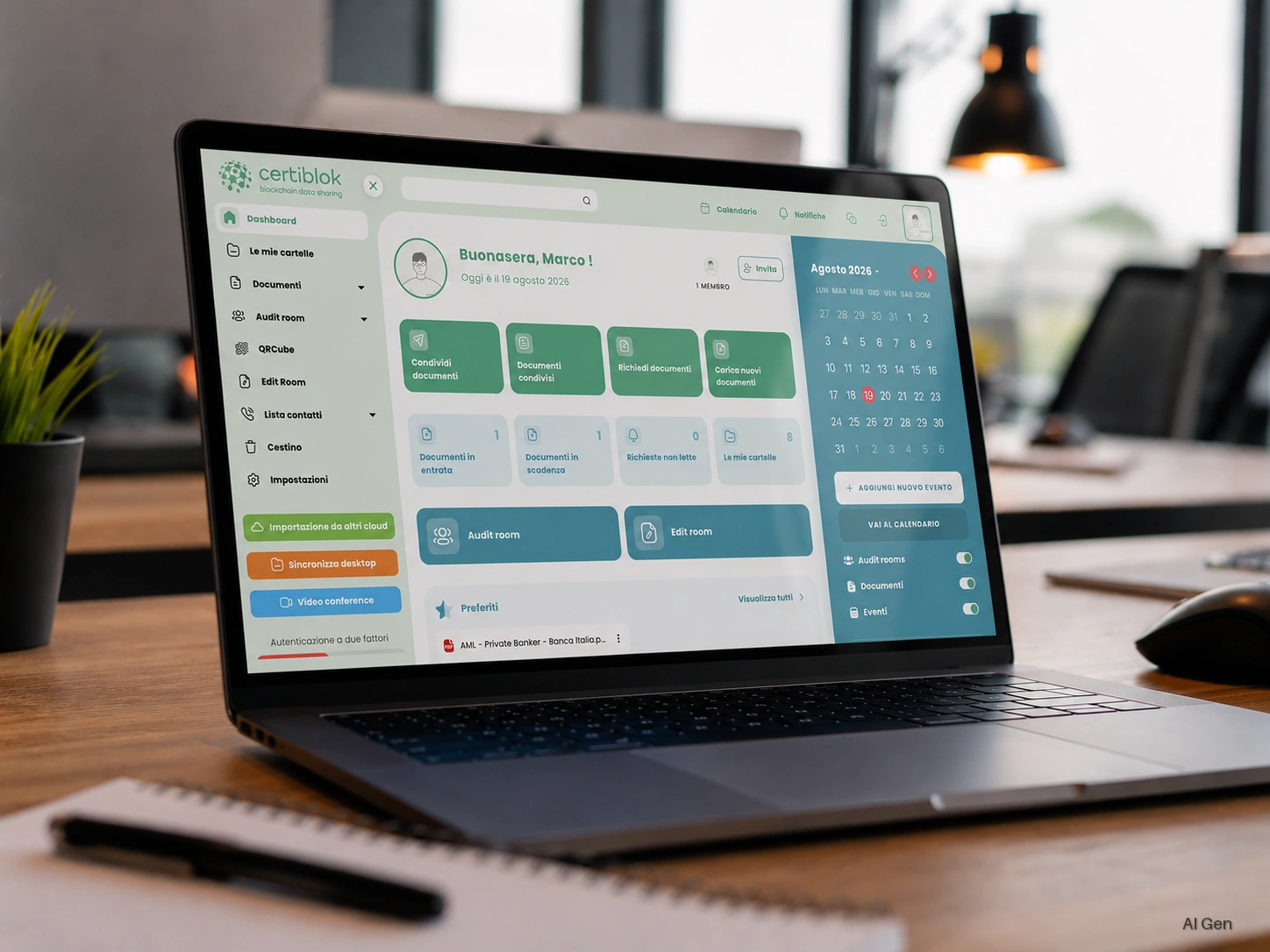
A digital document management system is the foundation. It must ensure that every document (technical data sheets, certifications, test reports, declarations of conformity) is securely stored, with controlled access and traceability of every action. Features like DRM® (Document Relationship Management) by Certiblok® are designed for this. Each file has a unique “identity card” that records owner, versions, expiration dates, and a LOG of all activities. This allows you to always know who has viewed or shared a document and when, providing immutable traceability.
Automated deadline and update management
Certificates of conformity and approvals have expiration dates. An efficient system must send timely warnings and notifications, preventing documentation from becoming obsolete. Imagine having to update the certification of a metal alloy used in hundreds of different products. With a system like Certiblok®, updating a file in your archive automatically synchronizes with all active shares, eliminating the risk of obsolete versions circulating.
Secure and controlled sharing
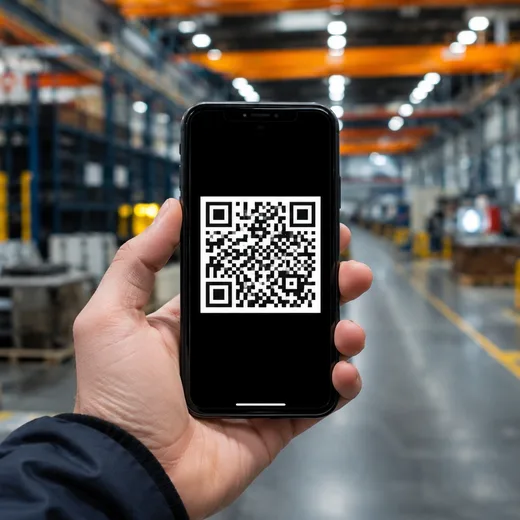
When authorities request documentation, the speed and security of sharing are crucial. Sending heavy attachments via email or expiring links is not a professional solution. Tools like QRCube® by Certiblok® allow you to group multiple files (technical data sheets, certifications, manuals) into a single code. This code, printed on the product or its packaging, or embedded in an official PDF document, always remains the same, while the digital content linked to it can be updated in real time. Anyone who scans it always sees the latest official version. Passwords or expiration dates can be set for access, ensuring granular control over sharing.
Simplified audits and controls
The ability to demonstrate conformity during an audit is fundamental. Audit Rooms by Certiblok®, for example, create virtual collaboration spaces where consultants and inspectors can access the necessary documentation, without duplicating files or moving them from their original location. This greatly simplifies the verification process and ensures that only official and updated versions are consulted.
What happens if you don't comply?
Non-compliance with the DWD can have serious consequences. From 2027, products that do not comply with the new hygiene and documentation requirements could be blocked from the European market. This means not only fines and administrative penalties (and potentially criminal penalties, depending on national legislation), but also significant reputational damage and high costs for product recall or modification.
For a manufacturer, the ability to quickly and certainly demonstrate documentary compliance is not just an obligation, but a competitive advantage. Anticipating these changes means positioning oneself as a reliable and proactive partner in an increasingly regulated market.
Directive (EU) 2020/2184 represents a turning point for the sector of materials in contact with drinking water. Manufacturers must act now to adapt their production processes and, above all, their document management. A robust system for archiving, traceability, and sharing documents is no longer an option, but a necessity to ensure compliance and maintain competitiveness in the market.
If you want to learn more about how to adapt your document management to the new DWD obligations, contact our experts for personalized advice.


