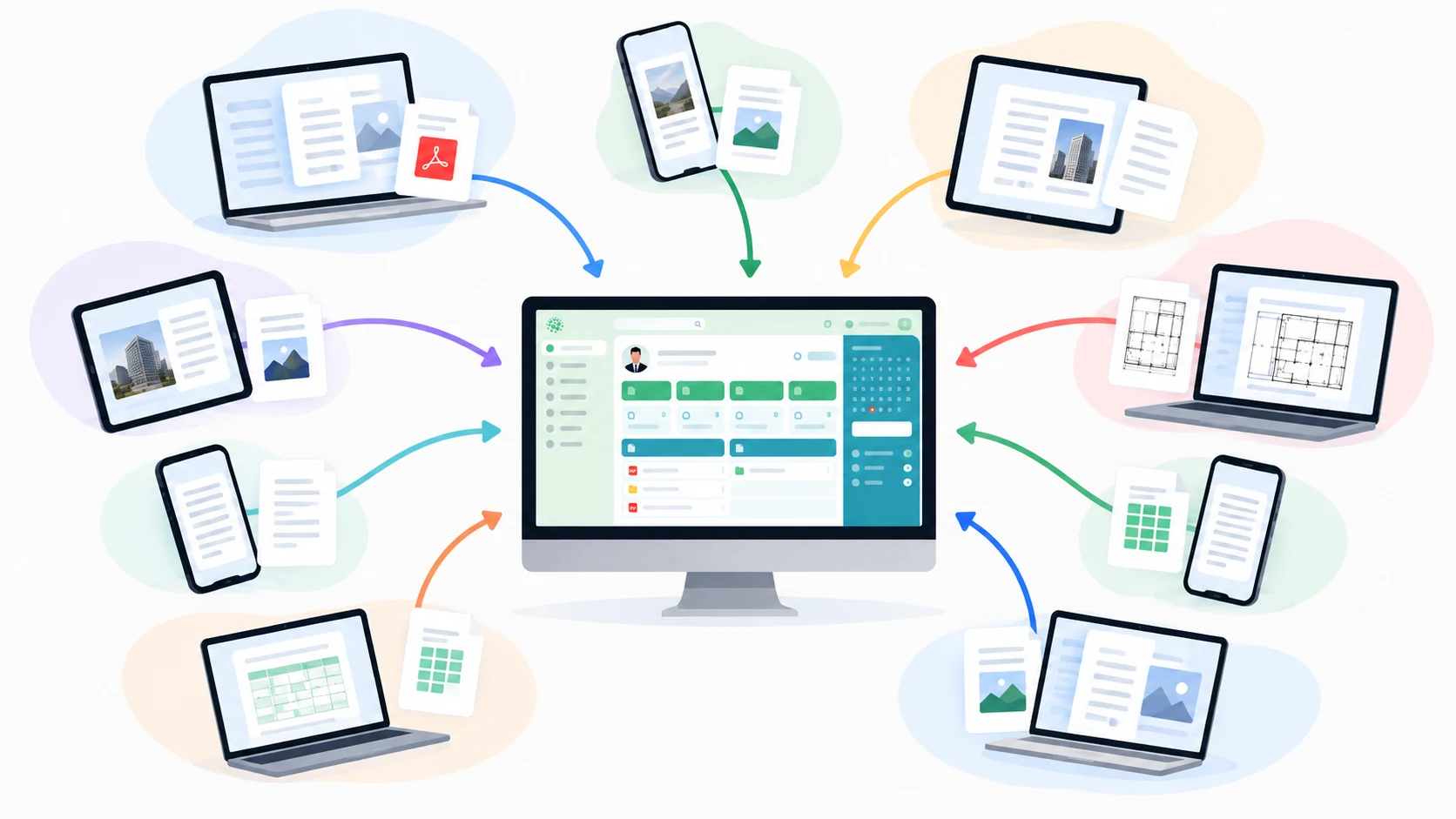





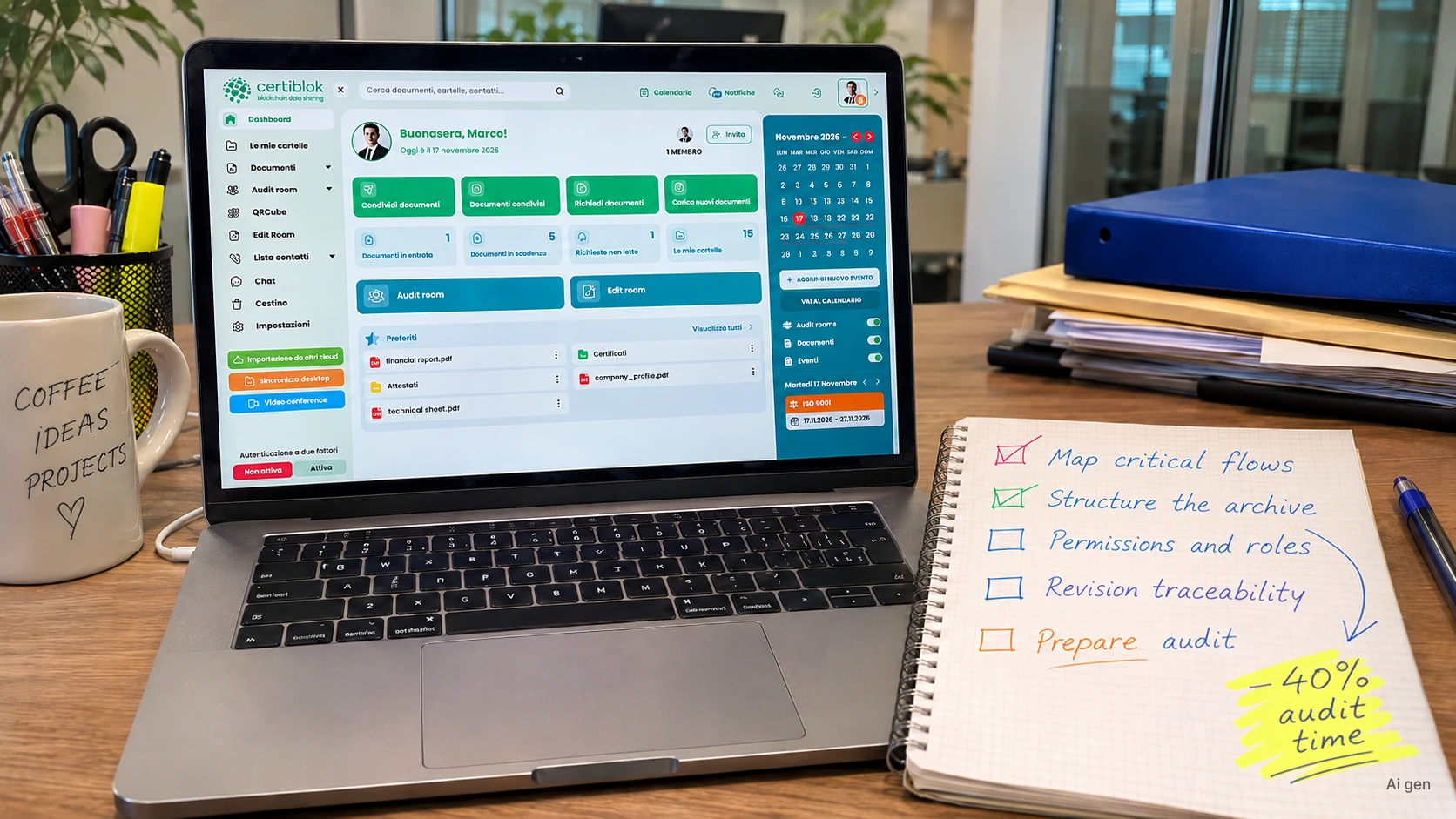
Document management for SMEs begins with mapping critical workflows and permanently retiring uncontrolled shared folders. Structuring a digital archive protects corporate data integrity, governs access permissions, and ensures audit-ready version tracking over time.
Key takeaways
- Standard shared drives expose businesses to accidental overwrites and confidentiality breaches.
- The accountability principle requires proving who viewed or edited every file.
- Proper document management reduces inspection audit time by up to 40 percent.
- Decentralized technology with advanced encryption eliminates the risk of operational data loss.
What risks do traditional shared folders hide?
Many companies run day-to-day operations on local network drives or generic cloud storage. On the surface, this approach seems fast and budget-friendly. Over time, recurring issues surface: duplicated files with inconsistent names, technical documents overwritten by mistake, and staff accessing confidential folders without formal authorization.
When a commercial dispute or security incident occurs, the question is always the same: who approved this version, and when was it delivered to the counterparty? If answering requires half a day of digging through email inboxes, the company is already in a weak position.
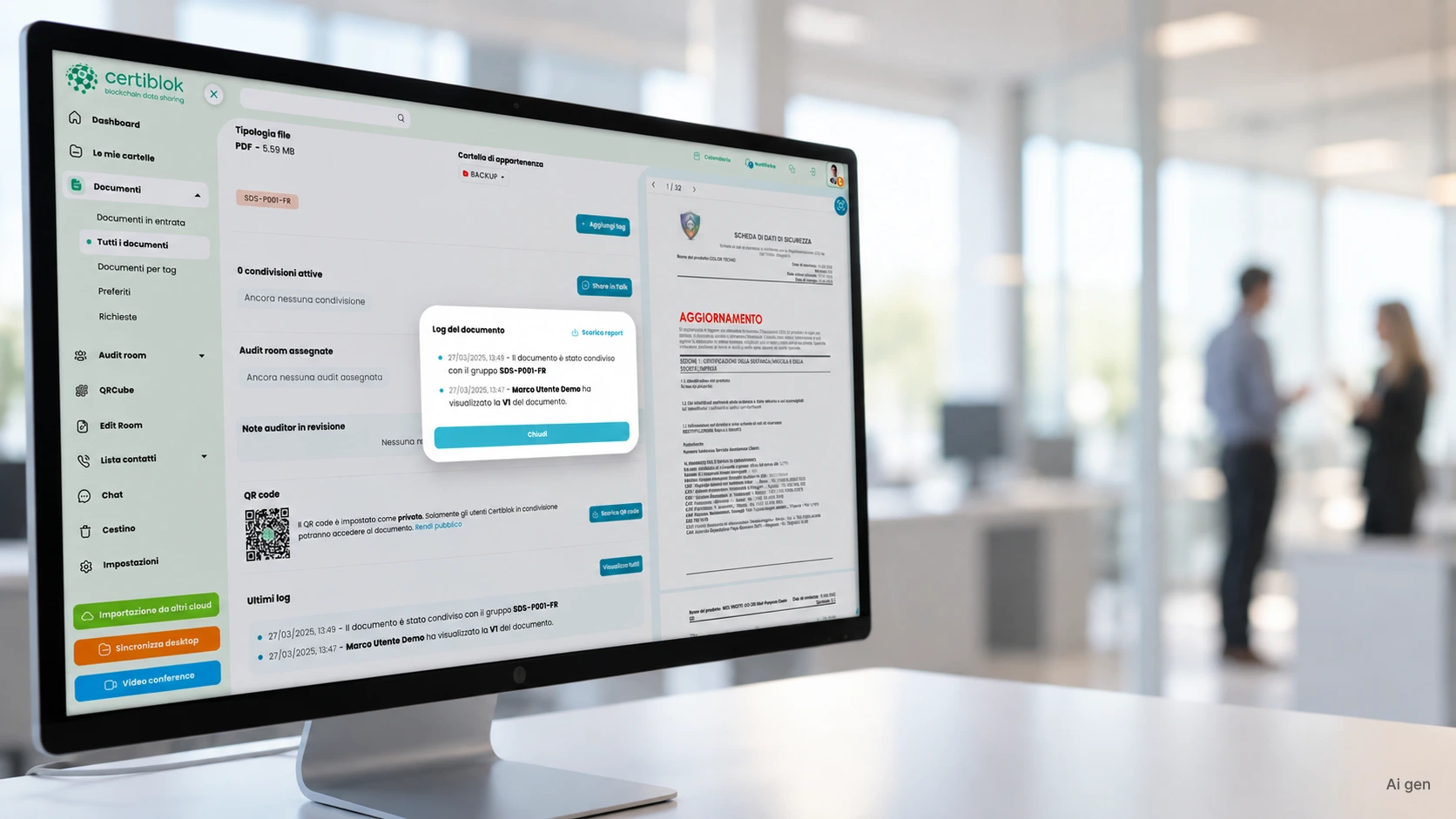
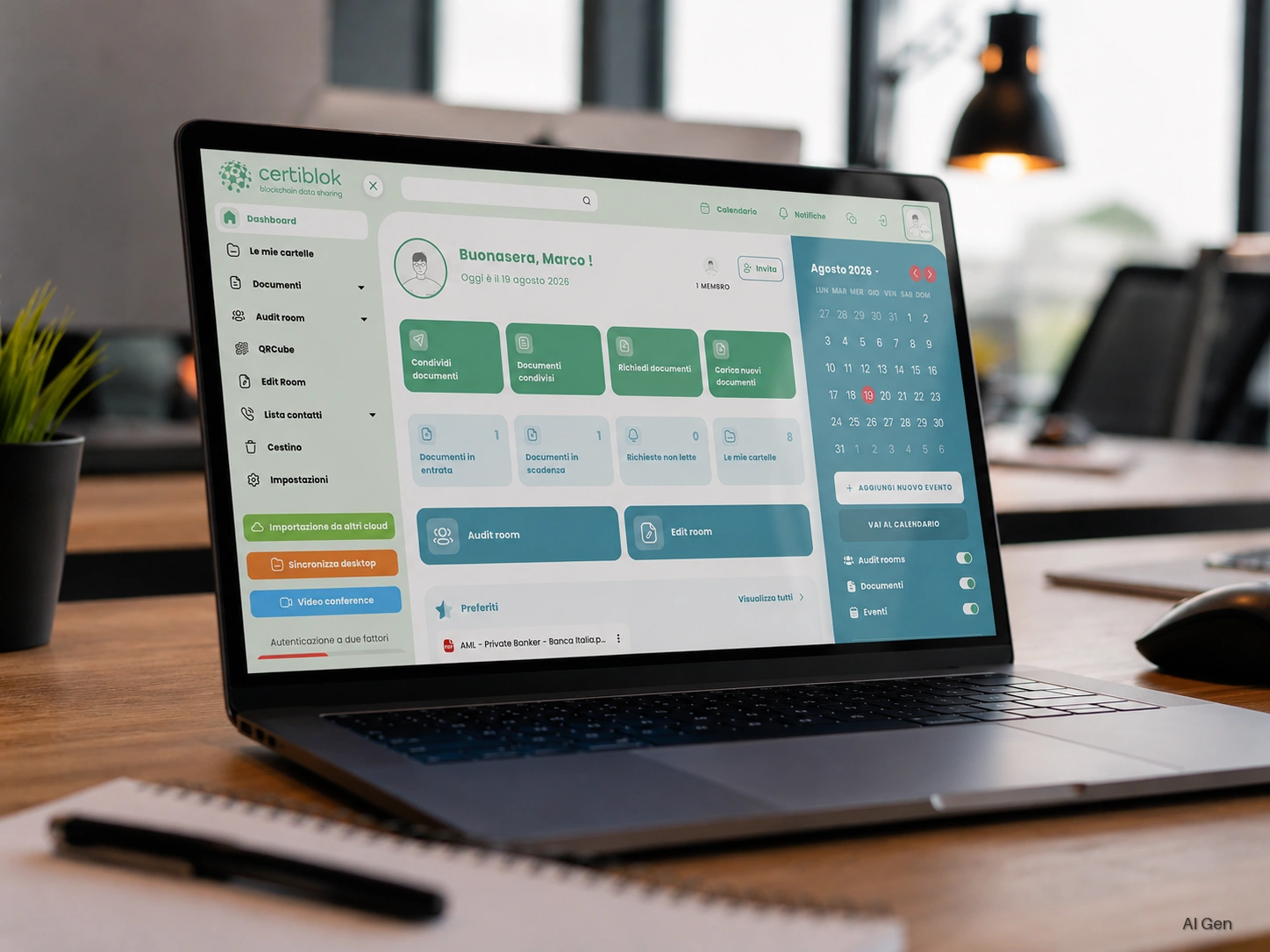
Article 5(2) of the General Data Protection Regulation (EU) 2016/679 enforces the principle of accountability. An enterprise must be able to demonstrate that adequate measures are in place to safeguard data. An open folder accessible to anyone without detailed access logging makes such proof virtually impossible. To establish rigorous control, many organizations implement the DRM® & Archive module by Certiblok®, which assigns each document a verifiable digital identity with a tamper-evident audit trail.
How to map critical documents before choosing software
The most common mistake companies make is buying software before understanding which processes need governance. Digitizing a chaotic archive only produces a more expensive digital mess.
The right starting point involves identifying the document categories vital to daily operations and regulatory obligations:
- Product technical documentation, technical files, and user manuals.
- Staff training certificates, safety appointments, and workplace safety records required under occupational health and safety regulations such as Legislative Decree 81/2008.
- Customer and vendor contracts, non-disclosure agreements, and standard terms of supply.
- Safety data sheets for chemicals used across production lines.
- Standard operating procedures, quality records, and company certifications linked to international standards.
For each category, you must define who creates the file, who holds approval authority, who only needs read access, and the required retention period before scheduled updates.
What must document software provide for small businesses?
A modern system cannot simply act as an electronic repository for attachments. It must resolve daily operational friction without requiring months of staff training.
Essential requirements include:
- Automated version management: every update must create a new version without deleting previous iterations, ensuring instant historical recovery.
- Granular permissions: the ability to assign separate view-only, download, or forwarding rights, preventing unauthorized distribution.
- Expiration alerts: automated reminders for contract renewals, licenses, or recurring procedure reviews.
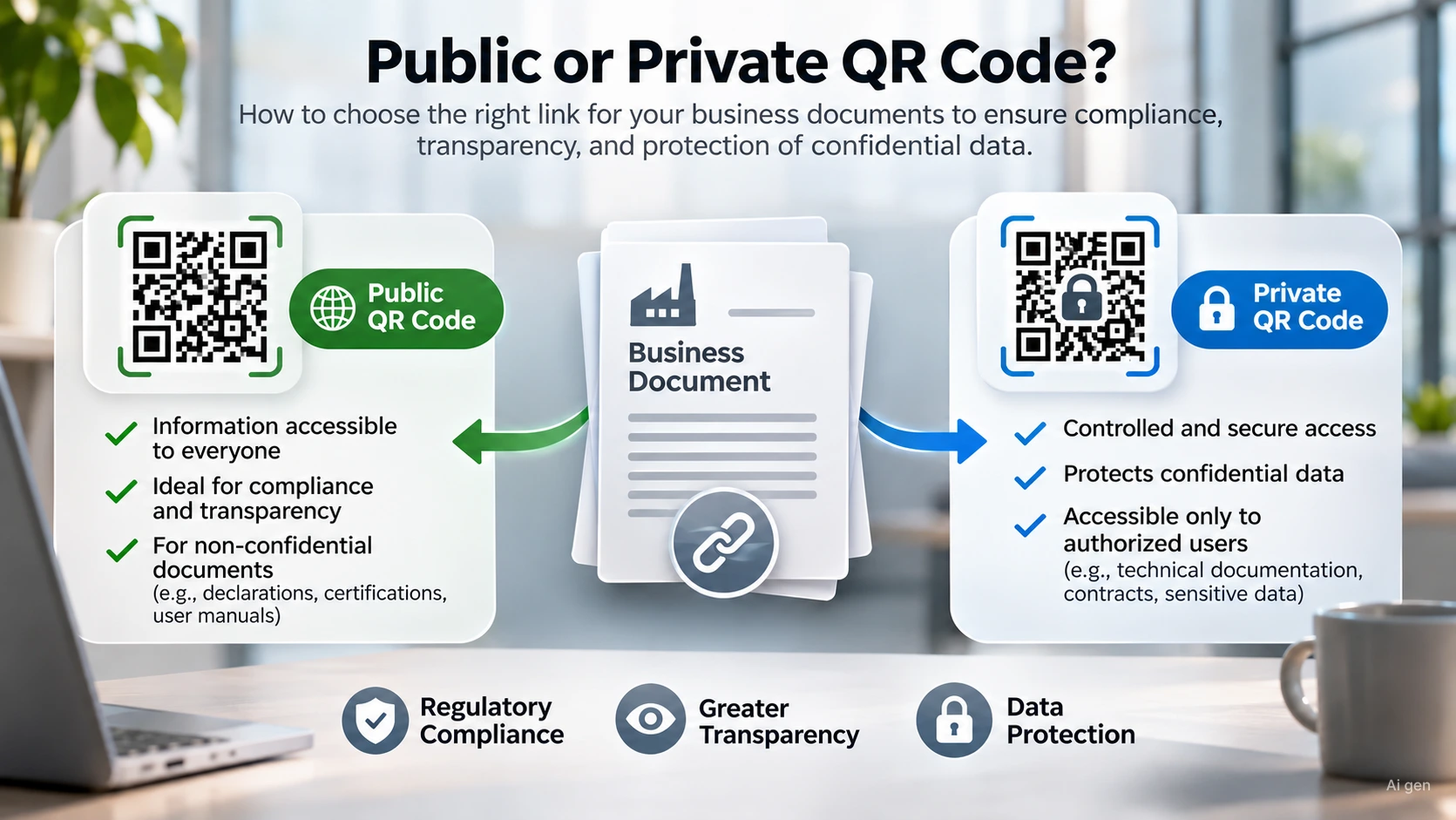
- Secure external sharing: sending and receiving documents with clients and vendors without forcing them to complete complex sign-ups or install proprietary tools.
Certiblok® protects corporate information by sharding each file into 80 AES-256 encrypted fragments distributed across a network of 26,000 nodes. High availability is guaranteed because just 29 fragments are needed to reconstruct the original file. This architecture keeps corporate records secure against hardware failures and cyber intrusion attempts.
What operational differences exist between legacy methods and advanced management?
The following table illustrates the operational differences between using generic tools and deploying a dedicated document governance platform.
| Operational task | Generic network drive storage | Dedicated governance platform |
|---|---|---|
| Revision control | Files renamed manually with risk of human error | Automated versioning with an intact chronological audit trail |
| Access tracking | No reliable access logs | Detailed audit logs for every file opened and viewed |
| External auditor access | Sending multiple copies over email | Dedicated temporary read-only virtual data rooms |
| Deadlines and renewal management | Spreadsheets tracked manually | Automated notifications triggered by document dates |
| Ransomware protection | Encrypted files can compromise the entire archive | Previous versions remain untouched and instantly recoverable |
How to prepare the company to pass audits without disrupting operations
During a certification audit or regulatory inspection, locating required records consumes valuable management hours. Documented data shows that adopting a structured archive cuts the time spent on inspection audits by up to 40 percent.
A concrete example is manufacturing company SOMIN Srl, which achieved a 65 percent reduction in audit prep time and cleared three consecutive audits on the first pass. This was accomplished by creating dedicated environments where external auditors could review relevant documentation directly, without accessing broader corporate repositories and without needing internal system credentials.
When every procedure maintains a clear revision history, quality and safety managers can demonstrate compliance in seconds, turning audits into predictable, orderly routines.
To evaluate how to structure document management in your company and safeguard operational files, visit our contact page and request a consultation with our specialists.