



From January 20, 2027, the EU Machine Regulation 2023/1230 becomes mandatory, definitively repealing Directive 2006/42/EC.
This is not an ordinary update: it's a paradigm shift that redefines how machinery is designed, documented, and managed throughout its entire lifecycle.
For the first time in the history of European legislation, instructions for use and the EU Declaration of Conformity can be provided exclusively in digital format. And the legal form chosen — a Regulation, not a Directive — means direct and uniform application in all 27 Member States: same deadline, same text, no local derogations. Companies that are not yet ready are already behind schedule.
The 4 Most Impactful Changes for Manufacturers
Regulation 2023/1230 brings changes at multiple levels.
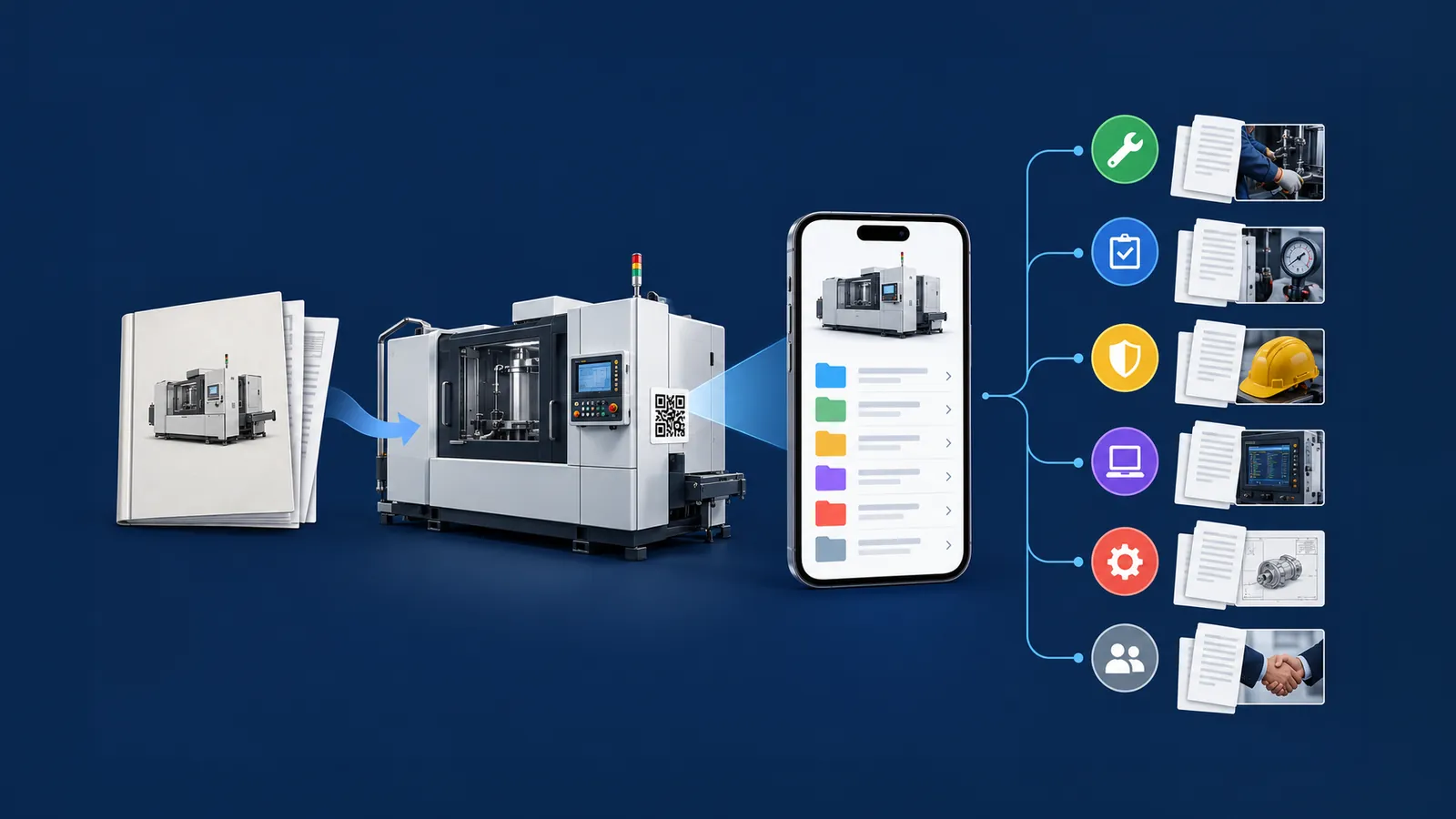
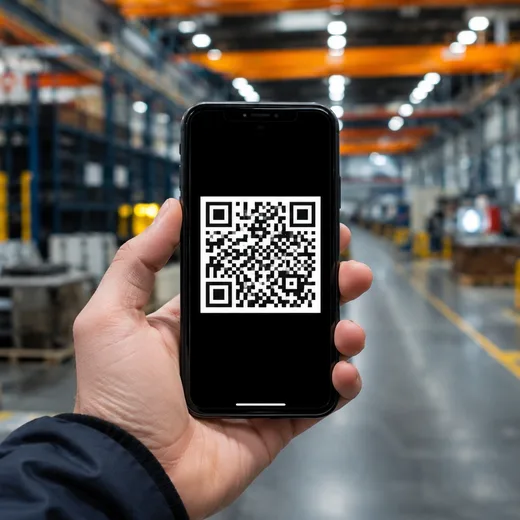
The most immediate concerns documentation: digital instructions must be accessible via QR Code or URL indicated on the machine, available for at least 10 years after market placement, downloadable and printable at any time. Uploading a PDF to a server is not enough: a structured system is needed, with permanent URLs, certified versioning, and an audit trail.
Then there is cybersecurity — for the first time an Essential Health and Safety Requirement (EHSR): a connected machine not designed to resist unauthorized access is not compliant.
Artificial intelligence: machines with self-evolving systems based on machine learning require more stringent conformity assessment procedures and the mandatory involvement of a Notified Body.
Finally, the redefined substantial modification: any physical or digital intervention not foreseen by the manufacturer — including a software update that modifies safety functions — automatically transfers responsibilities from the manufacturer to the party carrying it out.
⚠️ The Software Update Paradox
A company internally installs a firmware update that changes the emergency stop logic of a CNC machine. Result: it has just acquired the legal responsibility of a manufacturer, with the obligation for a new risk assessment, a new technical file, and, if the modification concerns safety functions, a new conformity procedure. From January 20, 2027, there are no more ambiguities.
The Document Revolution: QR Codes, Permanent Links, and 10 Years of Availability

The documentation requirement of Machine Regulation 2023/1230 is far more demanding than it seems. The QR Code applied to the machine cannot point to a changing URL: if the server is migrated or the company domain modified, that physical code engraved on the frame becomes useless, with no possibility of remote correction.
Dynamic QR Codes are needed, manageable independently of the physical file. The system must retain all previous versions of the document, with timestamps, to demonstrate which version accompanied the machine at the time of market placement.
It must be resilient — it cannot go offline — and must record every access in a certifiable manner. The EU Declaration of Conformity must be verifiable as authentic and unaltered, with a qualified digital signature. Those who still manage manuals via email and shared folders are structurally outside the requirements of the new Regulation 2023/1230.

How Certiblok® QRCube Solves Every Regulation Requirement
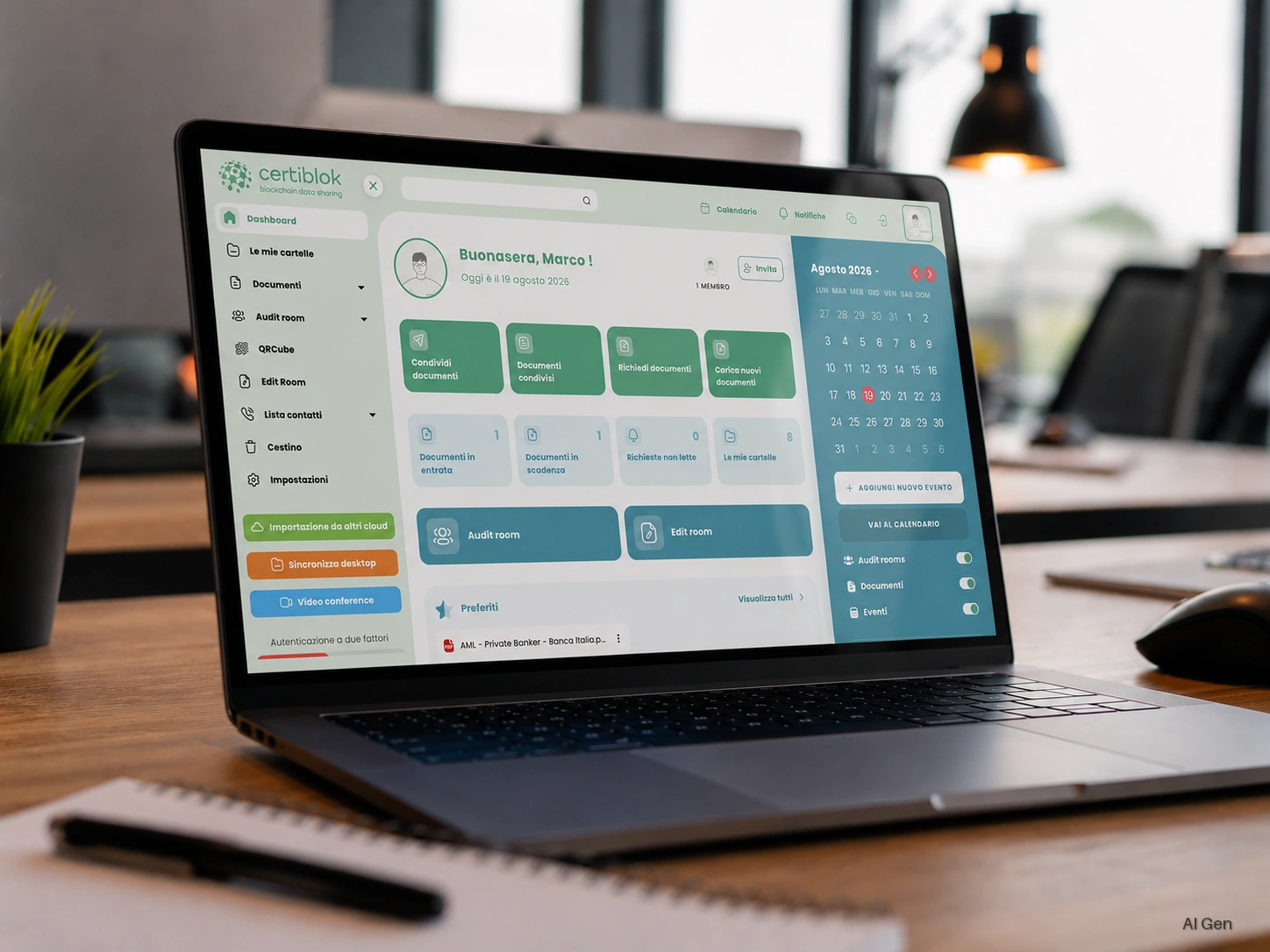
Certiblok® is the only platform natively designed for the documentation requirements of Machine Regulation 2023/1230. Its key tool for machine manufacturers is the QRCube: a dynamic QR Code system specifically designed to be physically applied to products and ensure permanent access to associated documentation, without ever having to replace the physical code.
The principle is simple yet decisive: the QR Code on the machine does not point to a file, but to a permanent digital container managed by Certiblok®. When the manual is updated, the manufacturer uploads the new version: the physical code remains identical, but whoever scans it automatically sees the current version.
All previous versions are retained with an immutable timestamp, ready to answer the most feared question in case of inspection: “Which version of the instructions accompanied this machine on the delivery date?”.
Every access is recorded in the audit trail: who scanned the code, when, from which device, and which version was viewed. The cloud architecture with AES-256 encryption and geo-redundant infrastructure ensures continuous availability for the 10 years required by the regulation, even in the event of ransomware attacks or infrastructure failures. Recipients — operators, maintainers, inspectors — access the document from any smartphone, without apps, without credentials, without friction.
🔄 Traditional vs Certiblok® QRCube
Email+PDF method: a PDF is sent upon delivery. If the manual is updated 6 months later, the manufacturer must trace all customers, send a new email, hoping it will be read. No certainty, no audit trail.
Certiblok® QRCube: the manufacturer uploads the new version; all QRCube holders automatically see the updated document on the next scan. Operating time: from days to minutes. Compliance: guaranteed.
Proactive Compliance as a Competitive Advantage
In major European markets — Germany, France, the Netherlands — controls on Safety Data Sheets (SDSs) have intensified.
German BGs and the French Direction Générale du Travail can conduct inspections that include verifying the correctness and version of SDSs in use.
A company using outdated datasheets, even if provided by a third party, may be held jointly responsible for failing to adopt preventive measures. Proactive compliance — the ability to demonstrate at any time that all SDSs in circulation are up-to-date, in the correct language, and made available to all mandatory recipients — is not just about legal compliance: it is an element of concrete competitiveness.
ISO 14001 or EMAS certified companies, and those participating in tenders with environmental requirements, find a verifiable advantage in digital SDS management.
FAQ — Frequently Asked Questions
What exactly changes from January 20, 2027?
Directive 2006/42/EC is repealed, and Regulation 2023/1230 becomes mandatory in all 27 EU states. Compliance with the old Directive is no longer sufficient: technical files, Declarations of Conformity, and instructions must meet the new requirements, including digital ones.
Who is involved besides the manufacturer?
The Regulation involves the entire supply chain: importers and distributors have precise and personally sanctionable obligations. Those importing machinery from non-EU countries must verify the conformity of the entire technical documentation to the new standards, assuming manufacturer responsibilities in certain cases.
Can a software update really make me a 'manufacturer'?
Yes. Any digital modification not foreseen by the original manufacturer that affects safety functions constitutes a substantial modification. The party performing it automatically acquires the obligations of a manufacturer: new risk assessment, new technical file, new CE marking.
Why Certiblok® QRCube and not a static QR Code?
A static QR Code points directly to a fixed URL: if the document is moved or the domain changes, the code engraved on the machine becomes useless. Certiblok®'s QRCube points to a permanent digital container, updatable without ever touching the physical code, with certified versioning and audit trail.