




The Machine Regulation 2027 — specifically Regulation (EU) 2023/1230, applicable from January 20, 2027 — does not oblige you to go digital, but it changes how a machine’s documentation must remain accessible over time. And this is exactly where a value hidden from price lists lies: your machine may be worth less than you think, not due to a technical limitation, but due to how you deliver and maintain its documentation after the sale.
In summary
Regulation (EU) 2023/1230 replaces Machinery Directive 2006/42/EC and applies from January 20, 2027.
Digital is an option, not an obligation: a free paper copy must still be provided upon request within one month.
Those who choose digital must ensure instructions are accessible, downloadable, and printable for at least 10 years from market placement.
A QR code pointing to a static link risks not holding up over time; a Certiblok® QRCube shifts the problem to a document system designed for longevity.
You've invested years perfecting your machine: reviewing drawings, optimizing cycles, reducing downtime, enhancing safety. You've built something you are rightly proud of. Then the client's purchasing manager — the one who decides whether to buy from you or a German competitor — asks an unexpected question:
"If my maintenance technician needs the updated manual at 3 AM three years from now, where will they find it?"
You know you've done everything right. The documentation is there, the declaration of conformity is signed, the manual has been delivered. But you can't answer that question. At least, not with certainty.
The Hidden Value Nobody Puts on the Price List
There's a strange paradox in Italian manufacturing. Companies invest hundreds of thousands of euros in engineering, materials, testing, and certifications. Then they deliver the machine with a PDF attached to an email — and consider the documentation chapter closed.
But the client doesn't consider it closed. They just consider it postponed.
That machine will live in production for ten, fifteen, twenty years. It will be maintained by technicians who weren't with the company when it arrived. It will undergo modifications, updates, integrations. It will be subject to inspections, audits, and regulatory changes. And every time someone looks for the correct documentation, the problem will resurface.
Those who deliver a PDF by email burden the client with an archiving and retrieval responsibility over time that the client didn't ask for. Those who place a QRCube on the machine shift that problem to a system designed to last. The difference isn't technical. It's commercial.
What Really Changes with Machine Regulation 2027 (and What Does NOT Change)
From January 20, 2027, Regulation (EU) 2023/1230 will apply, replacing Machinery Directive 2006/42/EC. The Regulation has been formally in force since 2023 but becomes fully applicable on that date. We need to be honest on one point, because you might read otherwise: Machine Regulation 2027 does not oblige you to switch to digital.
Instructions for use and the declaration of conformity can be provided in digital format: it's an option, not an obligation. And some safeguards remain to protect the buyer:
Upon the buyer's request at the time of purchase, you must still provide a free paper copy within one month.
For machines intended — even potentially — for non-professional users, essential safety information must still be provided on paper.
So, no obligation. But a question arises: why are the vast majority of manufacturers choosing digital even without being forced to? Because digital, when done well, is simply more convenient: less paper to manage, immediate updates, always accessible documentation, an additional sales argument for the client.
The key is that "done well". The moment you choose digital, the Regulation takes it seriously and sets precise requirements:
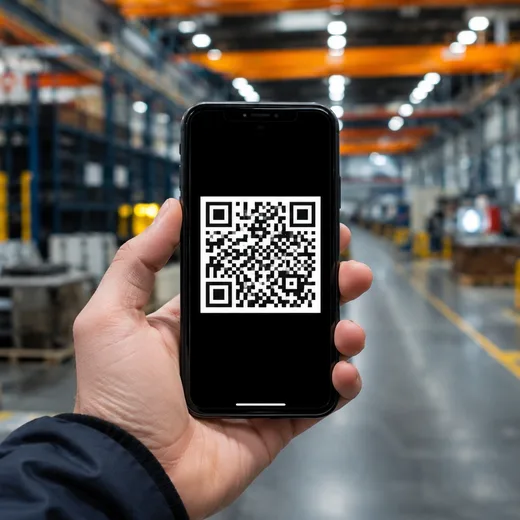
the machine (or an accompanying document) must indicate how to access digital instructions, typically with a QR code;
the instructions must be consultable, downloadable, and printable;
they must remain accessible for the machine's foreseeable useful life and, in any case, for at least 10 years from market placement;
the information must be accurate, understandable, and in the user's language.
In addition to these, there is an evergreen obligation: to retain technical documentation and be able to present it to authorities, upon justified request, for 10 years.
Now reread that list. It's not a list of compliance tasks: it is, point by point, the description of what the system you use to publish your documentation must be capable of. A QR on the machine, guaranteed access for ten years and beyond, always accessible and printable versions, correct languages, proof of what was available and when. The question, then, is not "am I obliged?", but: "will the way I deliver documentation today meet these requirements in ten years — when the machine outlives the email, the shared folder, and the contact person who oversaw it?"
There's also an aspect to keep in mind: anyone who makes a substantial modification to a machine already on the market — an intervention that introduces new risks or aggravates existing ones — legally assumes the role of manufacturer, with corresponding documentation obligations. In short, documentation is not a chapter that closes forever upon delivery.
The "Easy QR Code" Trap
Many manufacturers rush to respond in the quickest way: a QR code on the machine that points to a folder, the company website, or a link on the product page. It's understandable. It seems to solve the problem.
The QR code itself is the right path: the Regulation specifically provides for marking the machine with the means to access digital information. The problem is not the QR. It's what's behind it.
A QR code pointing to a static link has three weak points that become visible only when it's too late:
The link may stop working. Domains change, folders are renamed, accounts expire. The machine is still in production, but the QR no longer leads anywhere. And if the documentation is no longer accessible, the accessibility requirement for at least 10 years is violated.
Version control is lacking. When you update the document, it's not always clear which version the link points to, nor what the client actually saw.
It leaves no trace. No access logs, no evidence of who consulted what and when. In case of a dispute, reconstructing this is difficult.
A QR code pointing to a static link is not "illegal" per se: the risk is that, over time, it won't meet the accessibility and continuity requirements that the Regulation demands from those who choose digital. It works until it's really needed.
What it Means to Have a QRCube on Your Machine
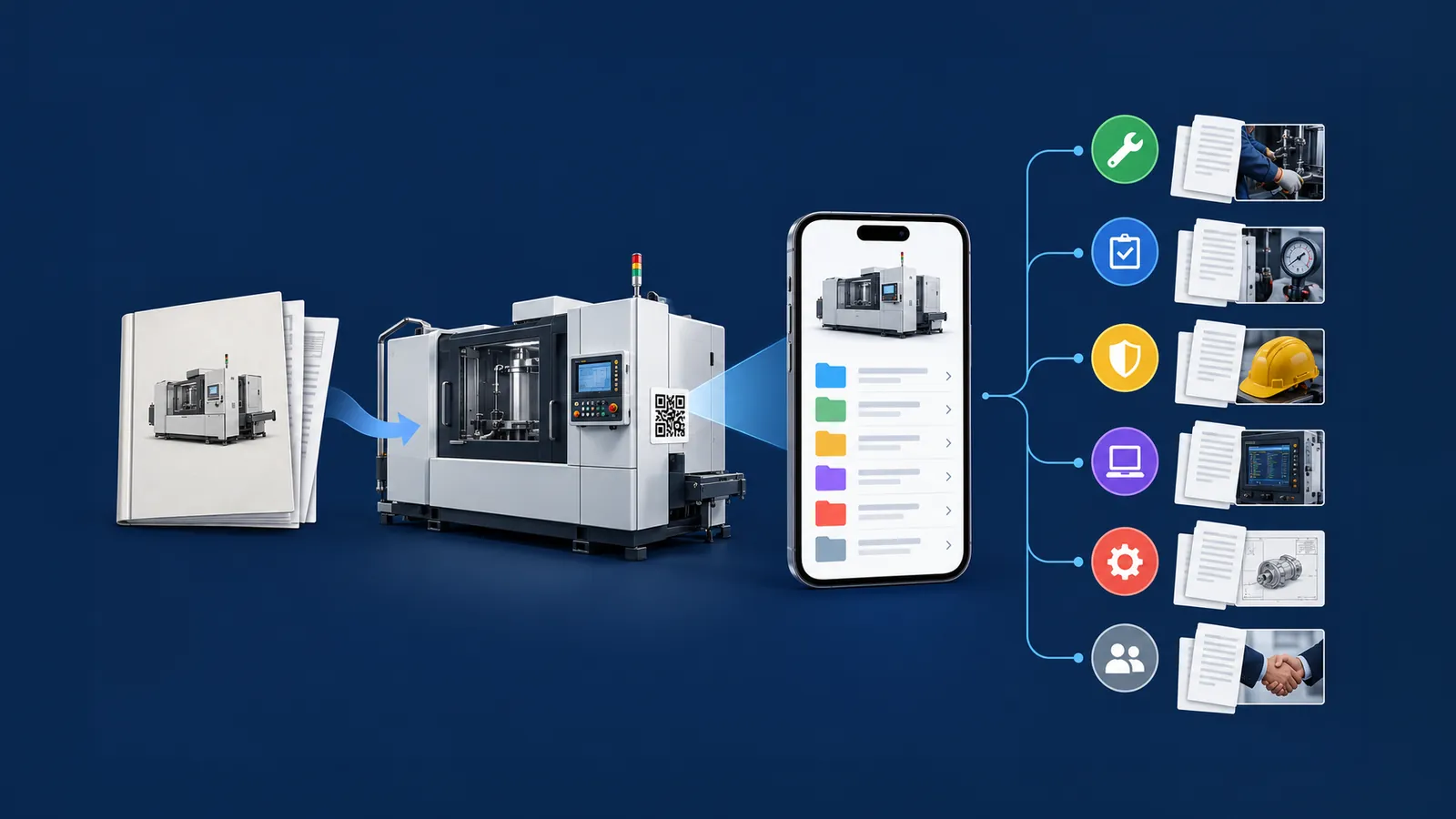
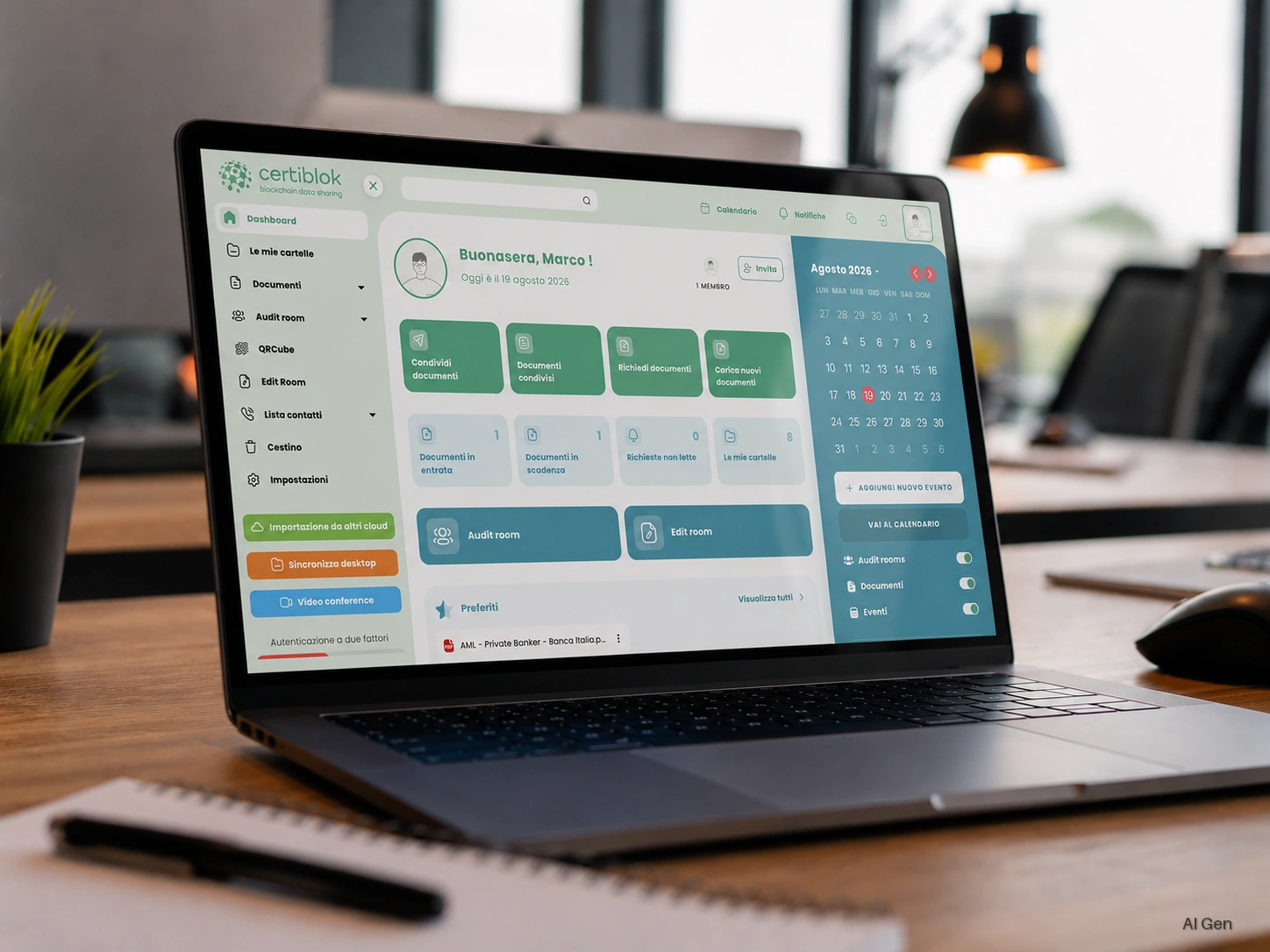
Certiblok®'s QRCube is not just a simple QR code: it's a unique and resistant physical identifier, designed to last as long as the machine it's applied to. Behind it isn't a link, but a document management system.
Every document linked to the machine — manual, declaration of conformity, diagrams, certifications, updates — is versioned with upload date and time. None of this can be altered retroactively: the version that was online on day X remains demonstrable on day X, even years later.
And if you need to know who consulted what and when, the private access mode records every consultation; the public mode — designed so anyone scanning the code can access freely, without barriers — does not track individual accesses. Files are encrypted with AES-256, split into 80 shards and distributed on a decentralised cloud; each edit creates a new version, previous versions are retained and activity is logged.
The QRCube is dynamic: the physical code on the machine never changes, but the document it refers to can be updated. When you publish a new version of the manual, the QRCube already applied — on the machine sold two years ago, in a factory in Germany, which the client hasn't heard from in months — already points to the updated version. Without sending emails. Without calling anyone.
When an inspection arrives — yours or your client's — the system shows which document was available, in what version, on what date, and in what language. And when the purchasing manager asks you "if my maintenance technician needs the manual at 3 AM three years from now, where will they find it?", you have a precise answer:
"Scan the code on the machine. They'll find everything, always updated, in the languages you've published. Without calling anyone."
When Documentation Becomes a Sales Argument
There's something that sales managers who have already adopted QRCube mention with a certain surprise: clients notice it even before you bring it up.
They see it during testing. They touch it. They ask what it does. And when the client pulls out their phone, scans the code, and sees all the machine's documentation appear in real-time, something happens that doesn't often occur in the manufacturing industry: the client trusts you more.
Not because you gave a speech on compliance. Not because you cited Regulation 2023/1230. But because you demonstrated, physically, before their eyes, that you care for them even after the sale. That the machine they bought will continue to be documented, updated, and defensible throughout its life. This is worth more than many things you can write in a commercial offer.
Who Needs to Act Now for Machine Regulation 2027 (and Why Waiting Costs More Than Acting)
January 2027 seems far away until you consider the time needed. Preparing for Machine Regulation 2027 isn't something you can improvise: selecting a platform, integrating it into production processes, training staff, applying QRCubes to machines in production, and managing the already installed base takes months, not weeks. Those who start now will have a margin. Those who wait until autumn risk falling behind.
There's also a market-driven push, not just a regulatory one: in some sectors and Northern European markets, digital document compliance is beginning to appear in supply specifications, ahead of the Regulation's application. The best machine, if not properly documented, can lose bids it shouldn't have lost.
The Question Worth Asking Now
Not "are we compliant with Machine Regulation?"
But: "in ten years, if someone asks me to prove what documentation was available to the client on day X, can I do it?"
Those who answer yes to this question are not just complying with a rule. They are building something more lasting: a reputation as a manufacturer that clients can rely on even after delivery.
Frequently Asked Questions About Machine Regulation 2027
When does Machine Regulation 2027 come into force? Regulation (EU) 2023/1230 has been formally in force since 2023, but it applies fully from January 20, 2027, replacing Machinery Directive 2006/42/CE.
Does Machine Regulation 2027 oblige me to provide documentation in digital format? No. Digital is an option, not an obligation. Instructions for use and the declaration of conformity can be digital, but a free paper copy must still be provided upon the buyer's request at the time of purchase within one month. For machines intended, even potentially, for non-professional users, essential safety information must still be provided on paper.
What requirements must digital documentation comply with? It must indicate how to access the instructions (typically with a QR code), be consultable, downloadable, and printable, remain accessible for the machine's foreseen useful life and, in any case, for at least 10 years from market placement, and be accurate, understandable, and in the user's language.
Is a QR code linking to a static URL sufficient? It's not "illegal," but it risks not holding up over time: the link may stop working, version control is lacking, and it leaves no access traces. For this reason, a robust document system like Certiblok®'s QRCube is needed behind it.